Our Impact Journey
At Lets Go Travel Uniglobe, sustainability isn't a destination; it's an ongoing journey of learning, action, and shared accountability that shapes how we operate across Kenya and beyond. Guided by the UN Sustainable Development Goals and reporting against the Global Reporting Initiative (GRI) framework, our work spans four pillars:
- Strengthening livelihoods through food security and our Keep Her in School initiative
- Advancing education for the next generation of tourism leaders
- Driving conservation and climate action
- Championing community tourism that celebrates local culture and heritage
Sustainability is part of our everyday choices:
- Using resources wisely means cutting off fossil fuels, water, and energy, and switching off lights and equipment when not in use.
- Building responsibly means applying sustainable approaches to every refurbishment, maintenance, and project.
- Buying better means weighing sustainability in purchases, favoring bulk buying, and choosing greener materials like biodegradable soaps.
- Reducing waste means minimizing production, separating responsibly, and diverting from landfill through reuse, recycling, and recovery.
- Protecting nature means preventing pollution where possible, partnering with conservation organizations that safeguard ecosystems, communities, and wildlife.
- Moving greener means encouraging telecommuting, carpooling, mass transit, and cycling.
This commitment extends beyond our operations, inspiring staff, clients, and partners, from hotels to airlines, to embrace sustainable practices. At Lets Go Travel Uniglobe, sustainability is more than a promise; it’s a collective journey we share with every partner, every trip, and every mindful decision along the way.
1. Livelihood
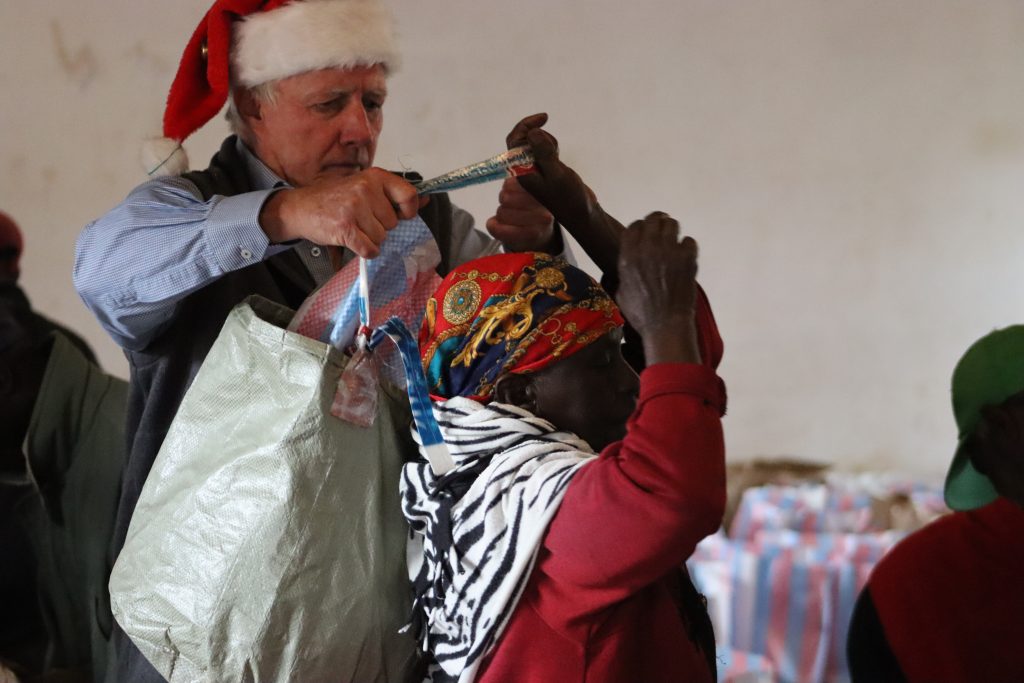
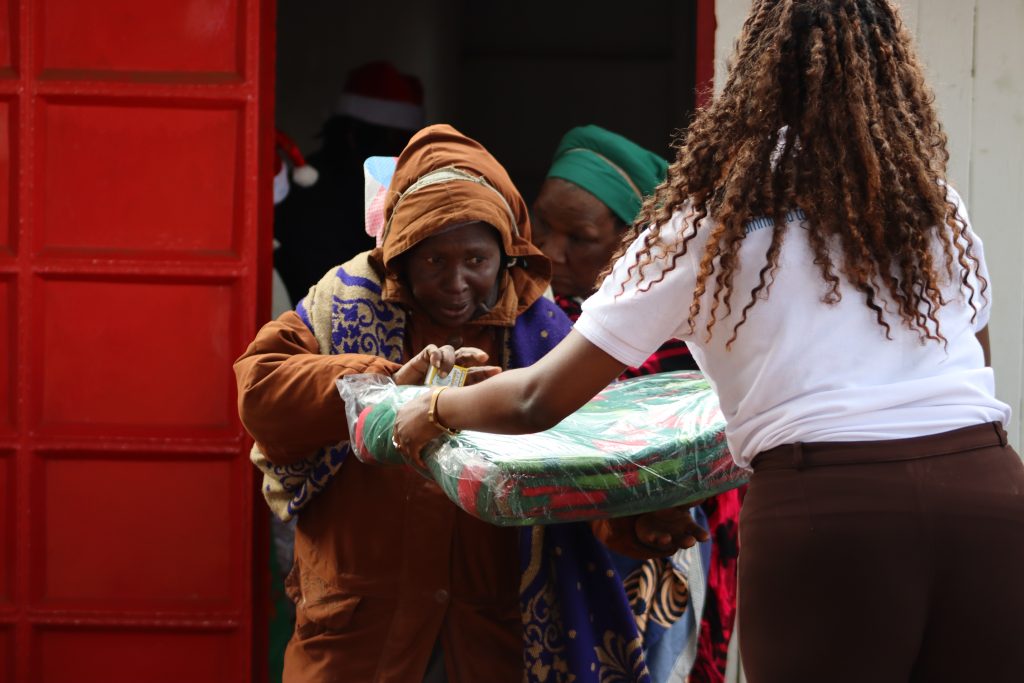
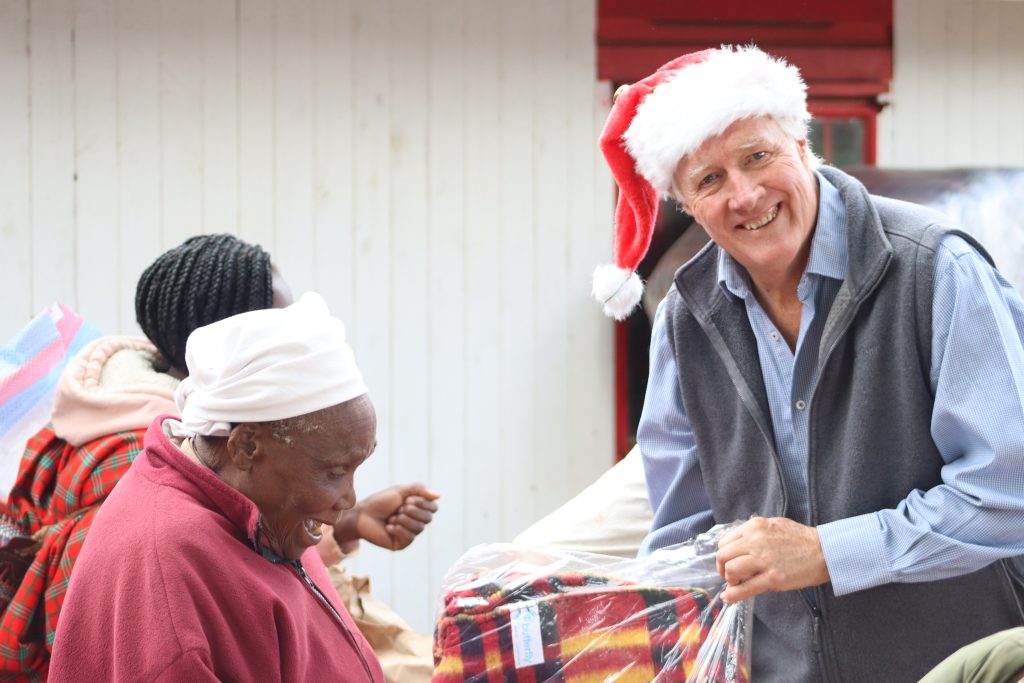
We believe every individual deserves the opportunity to thrive, regardless of age, ability, or circumstance. Our Livelihood pillar provides structural, dependable support to the most vulnerable members of our partner communities. Through the Pat Dixson Aid Program (our longest-standing initiative, now in its 32nd year), we deliver food security to the elderly, persons living with disabilities, and orphaned children in Limuru, distributing food hampers on a consistent schedule and supporting institutions such as the Limuru Cheshire Home and the Body of Christ Children's Centre.
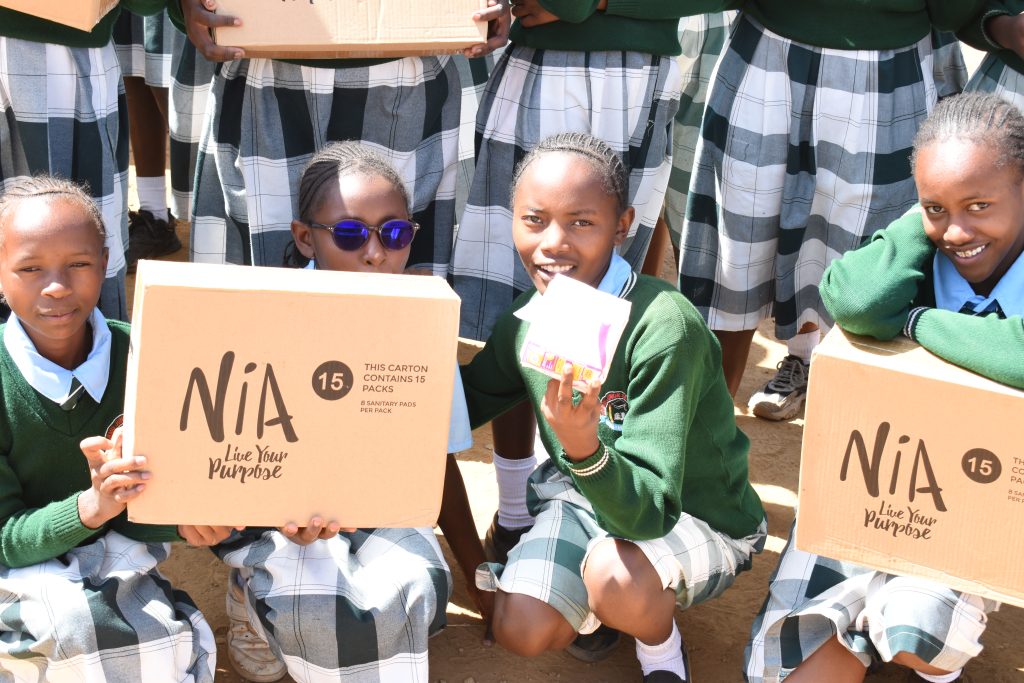
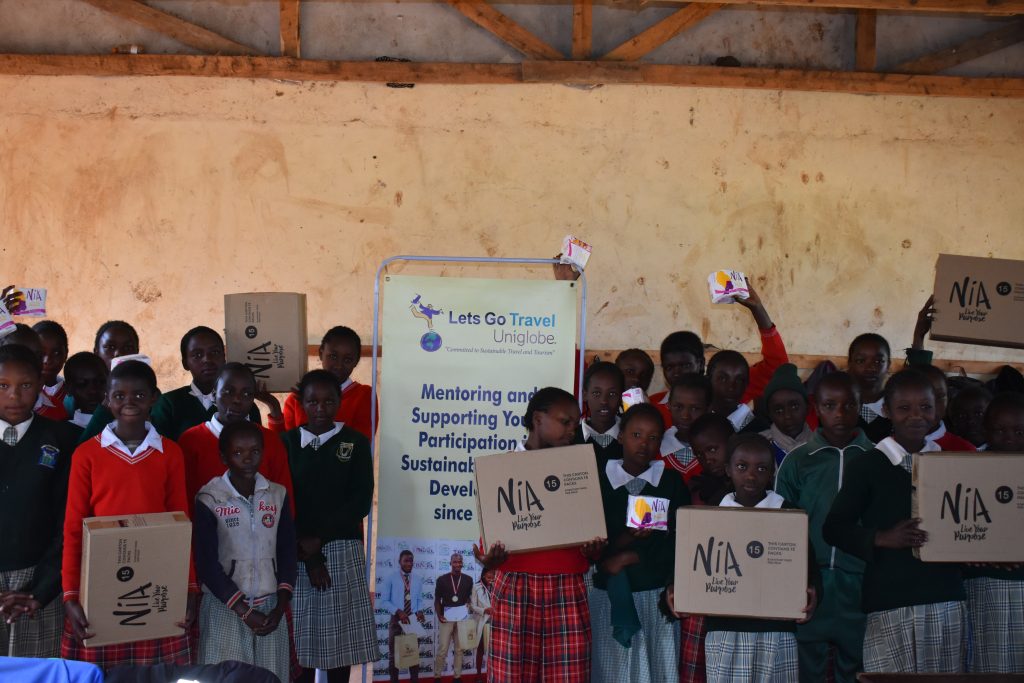
Our Keep Her in School initiative tackles period poverty head-on, supplying sanitary products that keep adolescent girls in the classroom and protect their right to an uninterrupted education. Complemented by health education and mentorship that reach both girls and boys, this pillar advances SDG 1 (No Poverty), SDG 2 (Zero Hunger), SDG 3 (Good Health and Well-being), and SDG 5 (Gender Equality), ensuring no one is left behind.
2. Education for sustainable development
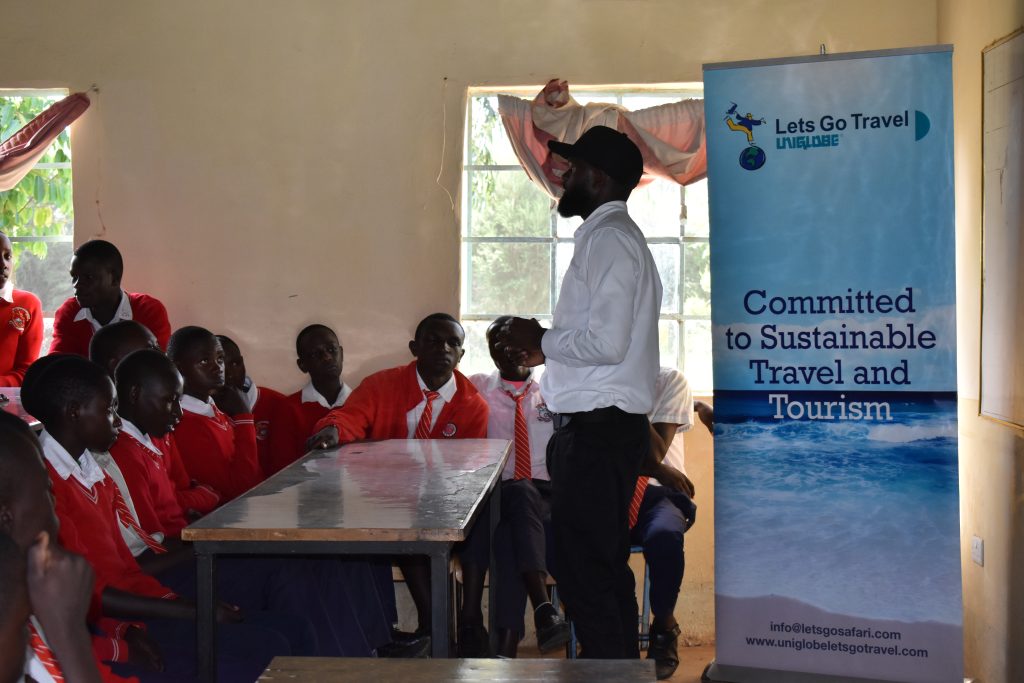
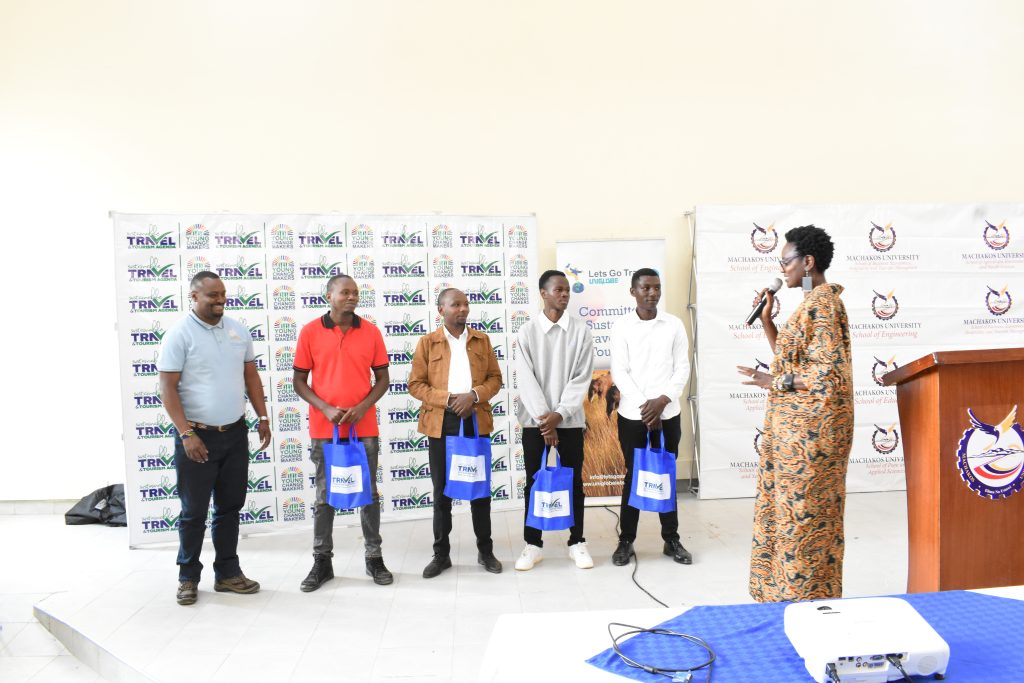
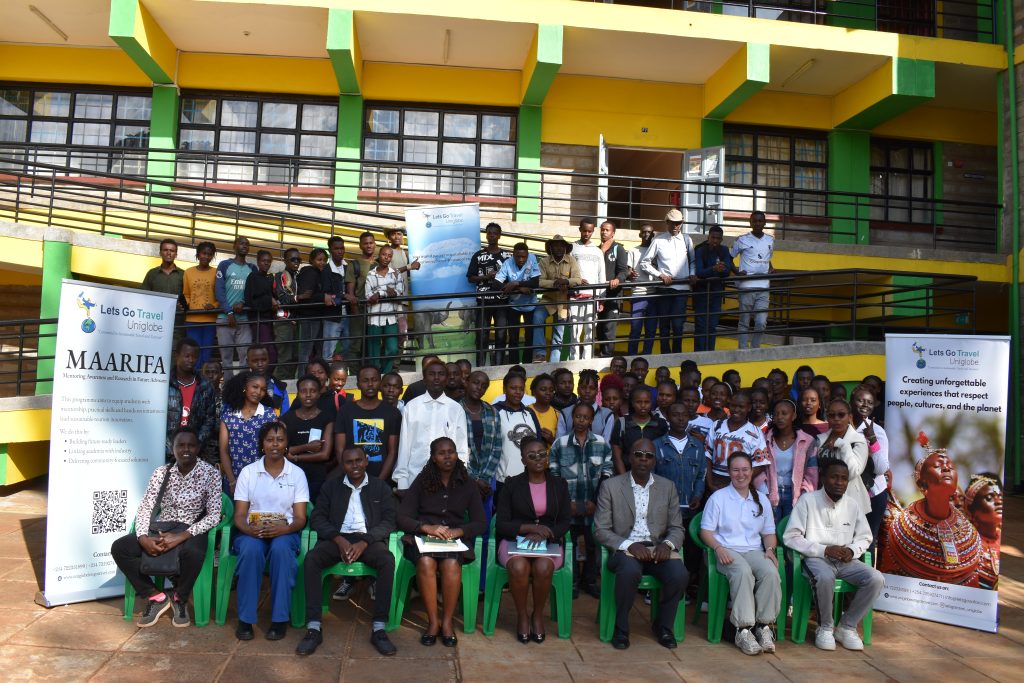
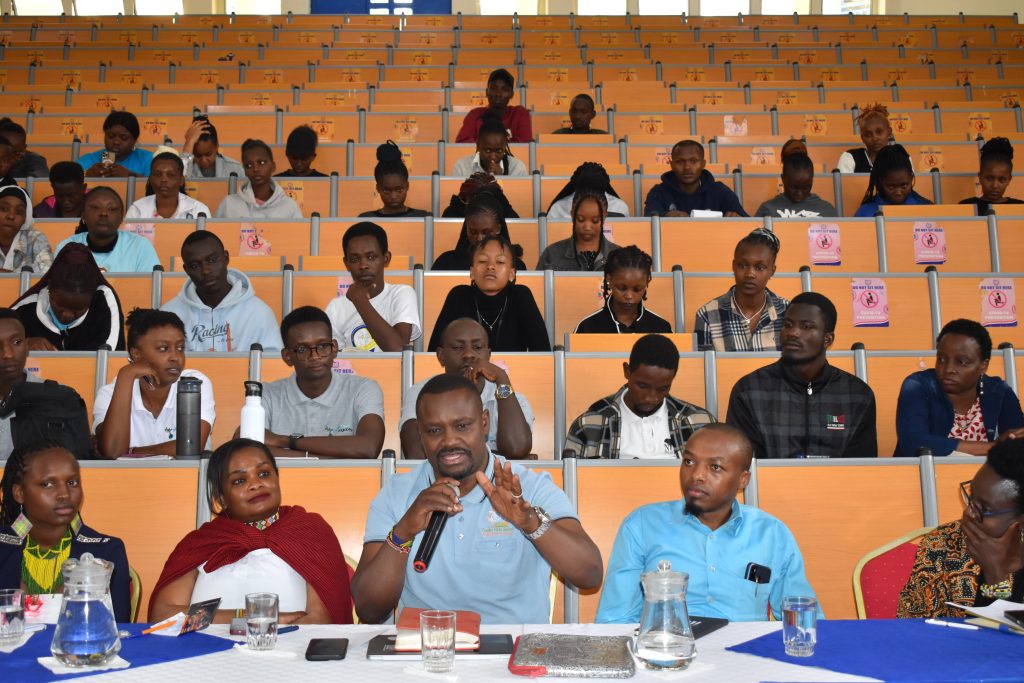
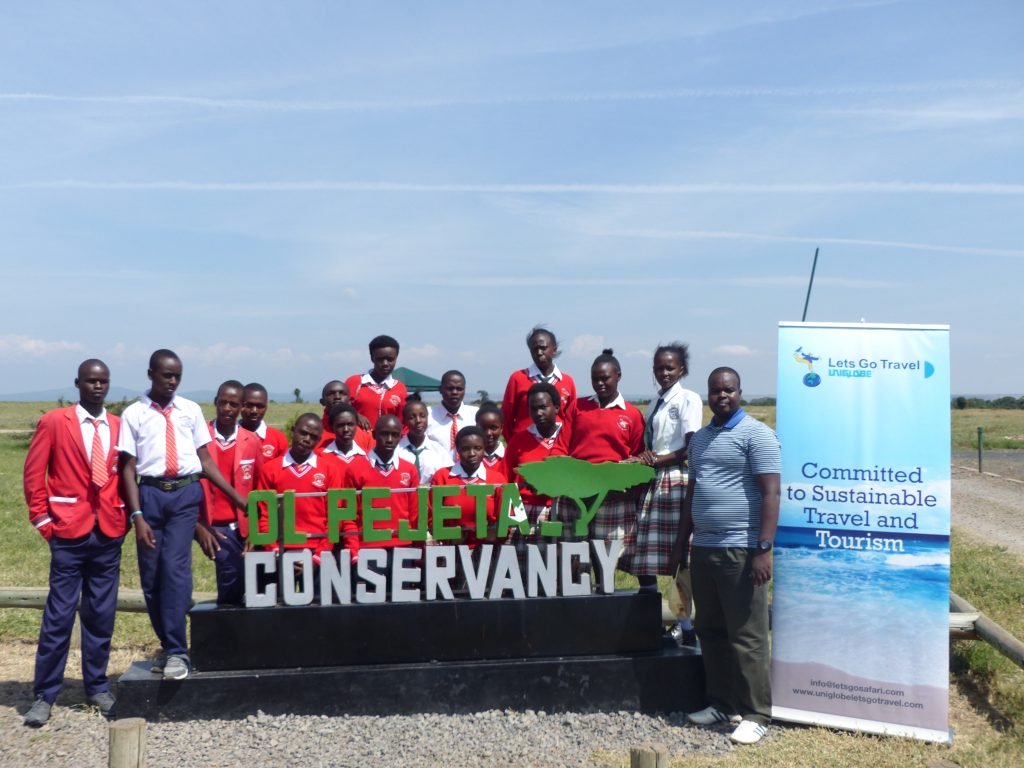
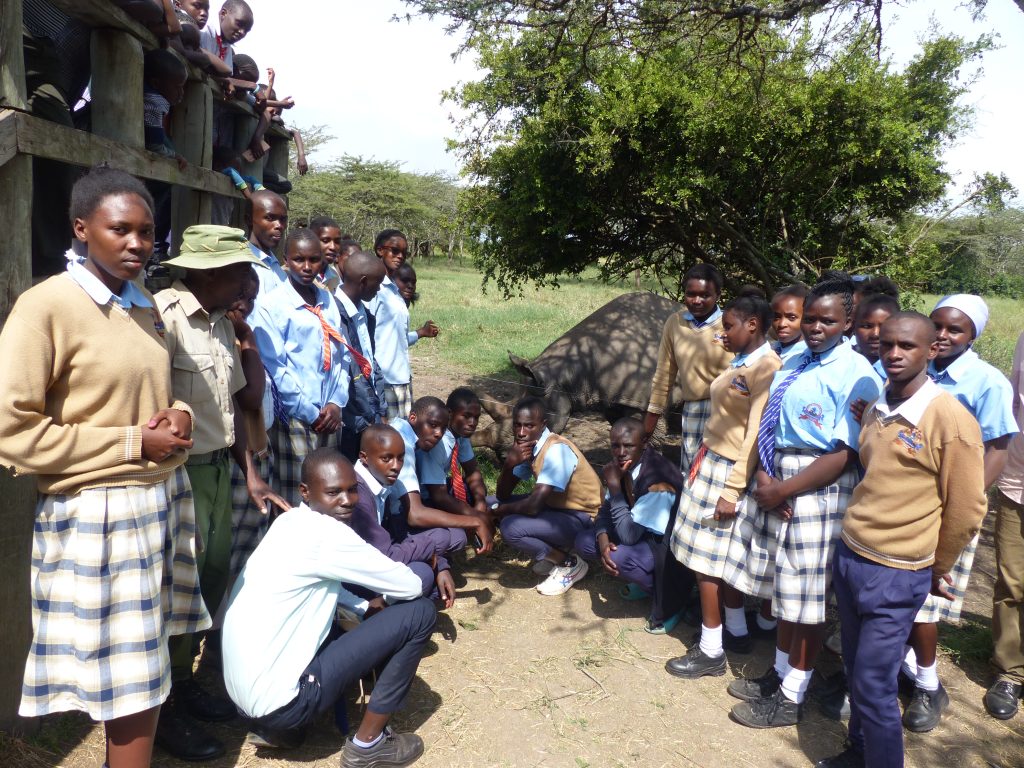
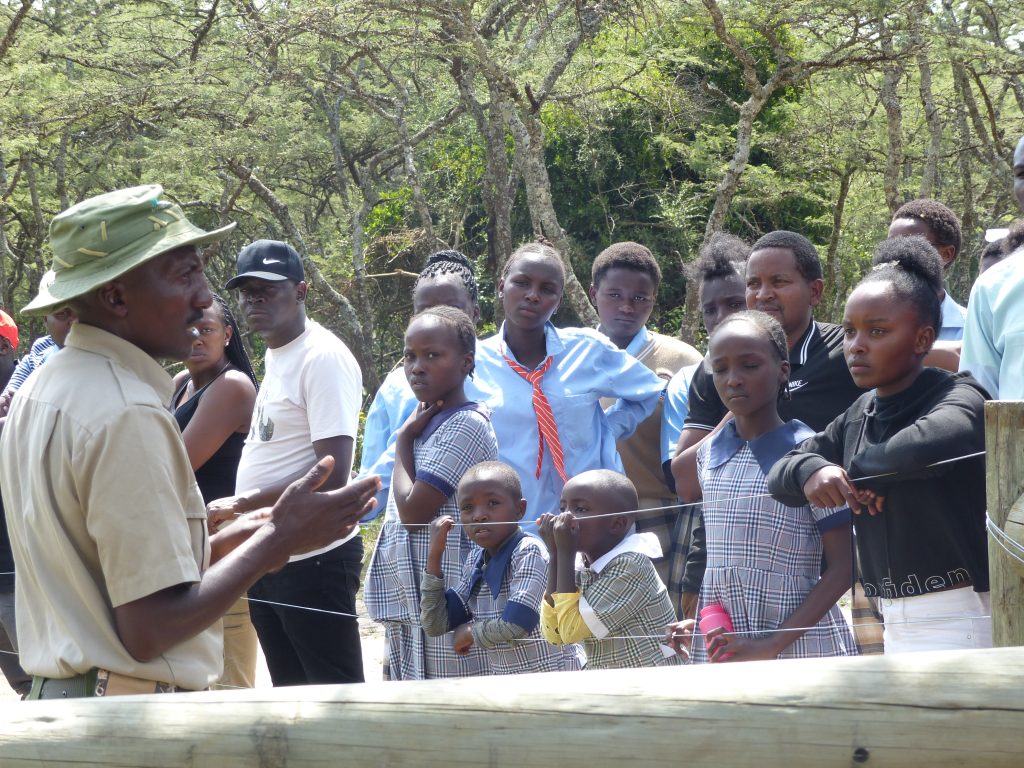
We partner with primary schools, secondary schools, universities, and technical and vocational institutions to equip young people with the knowledge and skills to lead a more sustainable future. Our programs go beyond the classroom: through Mentoring Awareness and Research in Future Advocates (MAARIFA), we bridge the gap between academic learning and the practical realities of sustainable tourism, embedding applied research, innovation, and sustainability ethics into tertiary and TVET training.
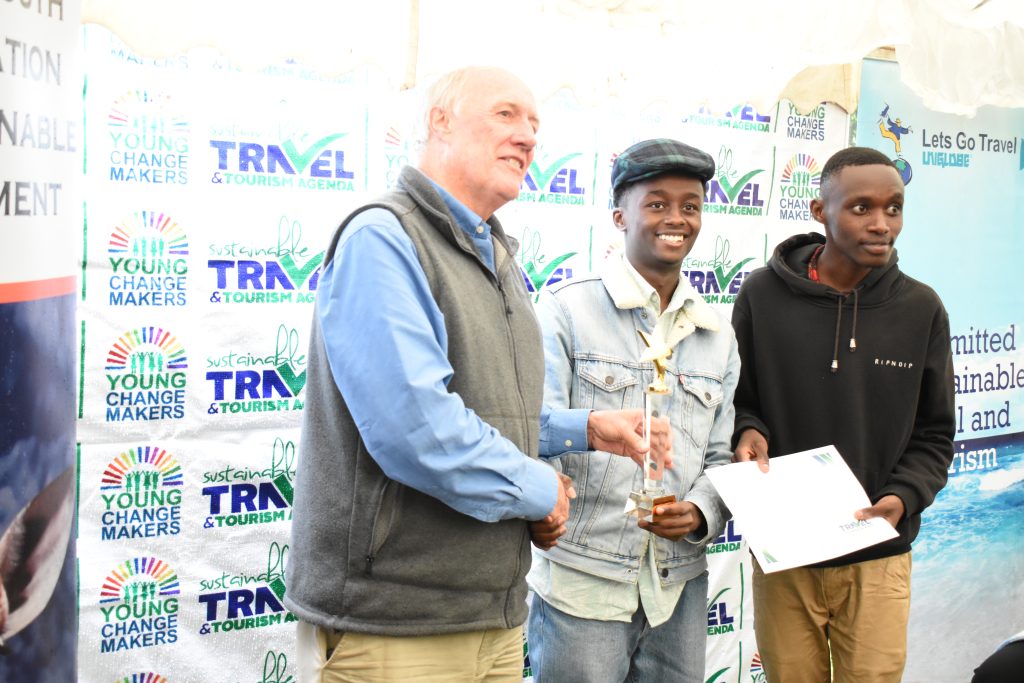
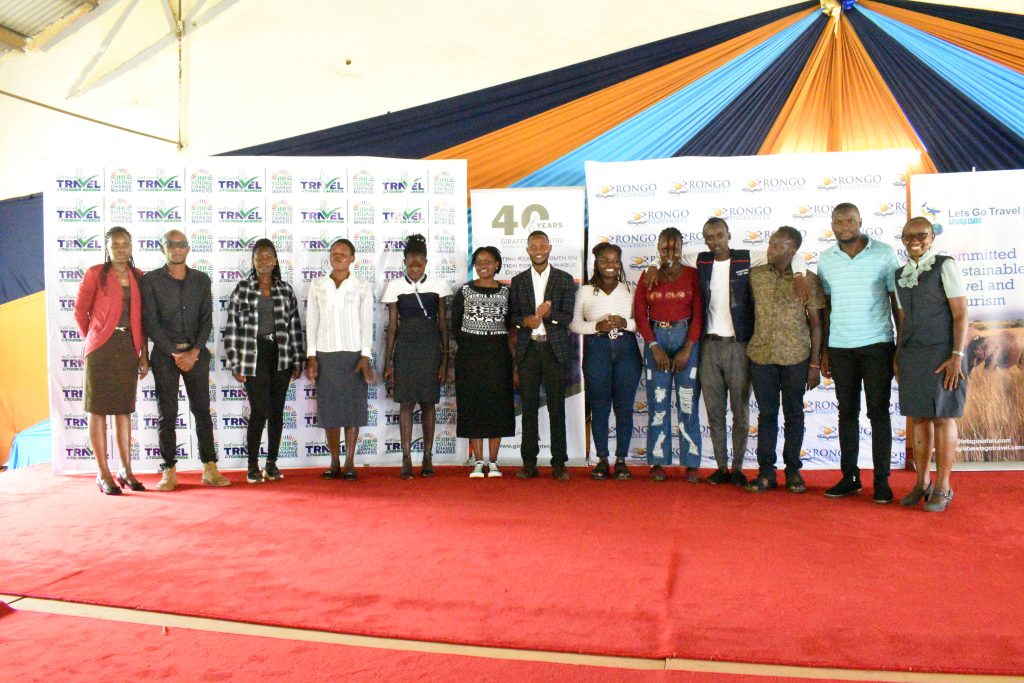
Through the Young Change Makers engagement, we connect students with mentorship, internships, industry networking, and hands-on challenges like Plastic Free July. By nurturing practical sustainability expertise that the tourism sector urgently needs, we are cultivating the next generation of tourism leaders and global citizens, directly supporting SDG 4 (Quality Education) and SDG 12 (Responsible Consumption and Production), and aligning with Kenya's Vision 2030.

3. Conservation and climate action
We are committed to protecting and restoring the natural environment that sustains both tourism and life itself. This pillar marks our shift from qualitative environmental stewardship to quantitative climate accountability, establishing measurable baselines for fuel, energy, and water in line with GRI reporting standards. Through smarter fleet and logistics planning, we have meaningfully cut our fuel consumption and emissions, while renewable energy projects such as our community biogas system replace firewood with clean, sustainable power.
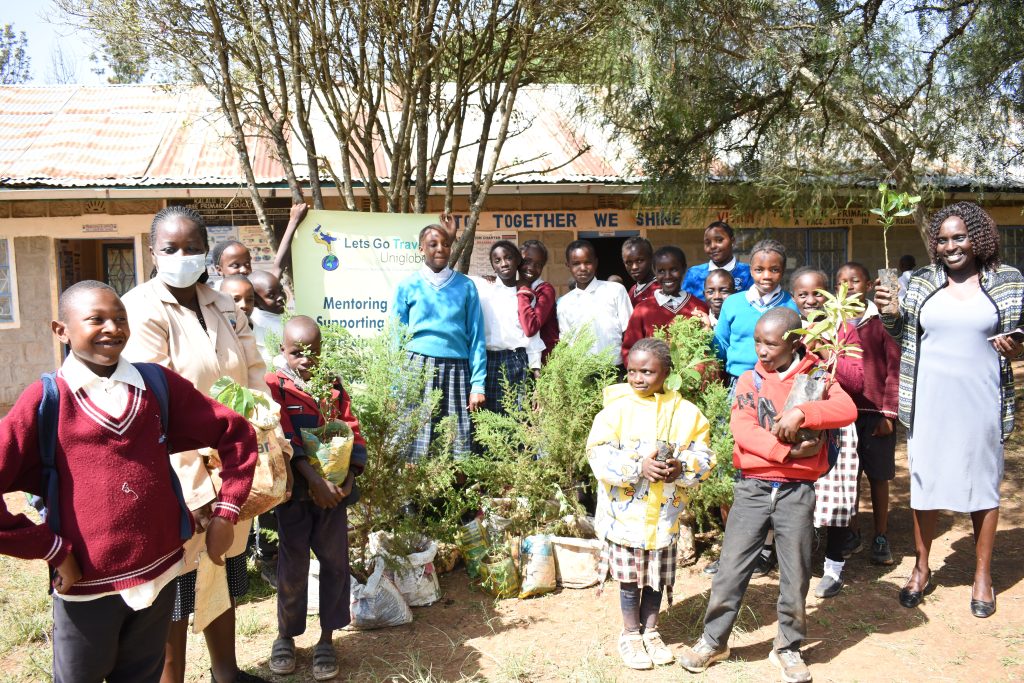
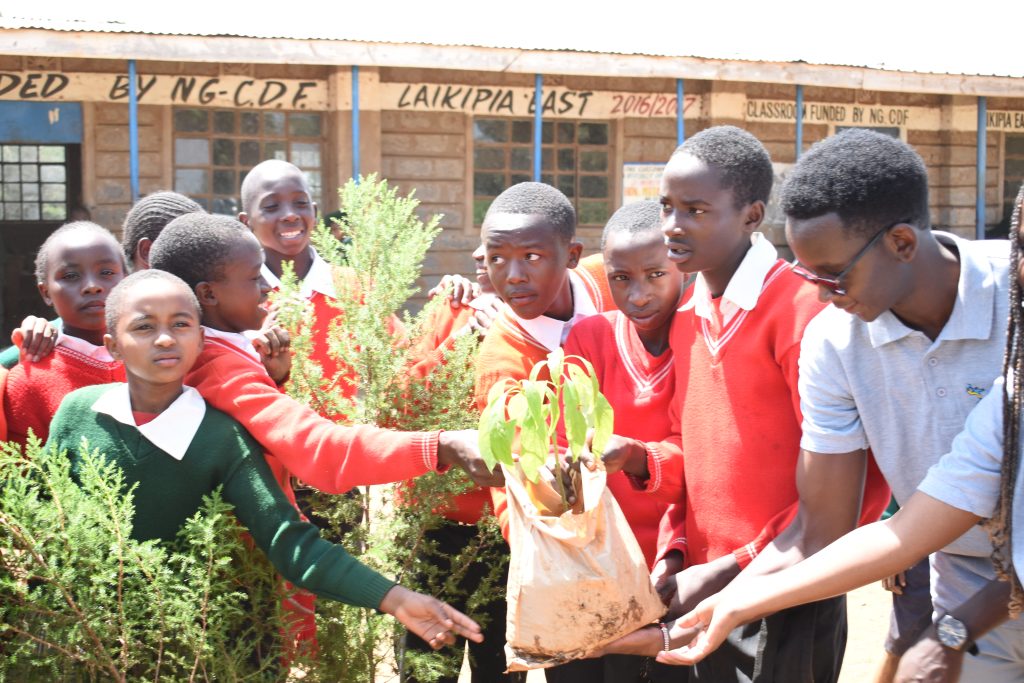
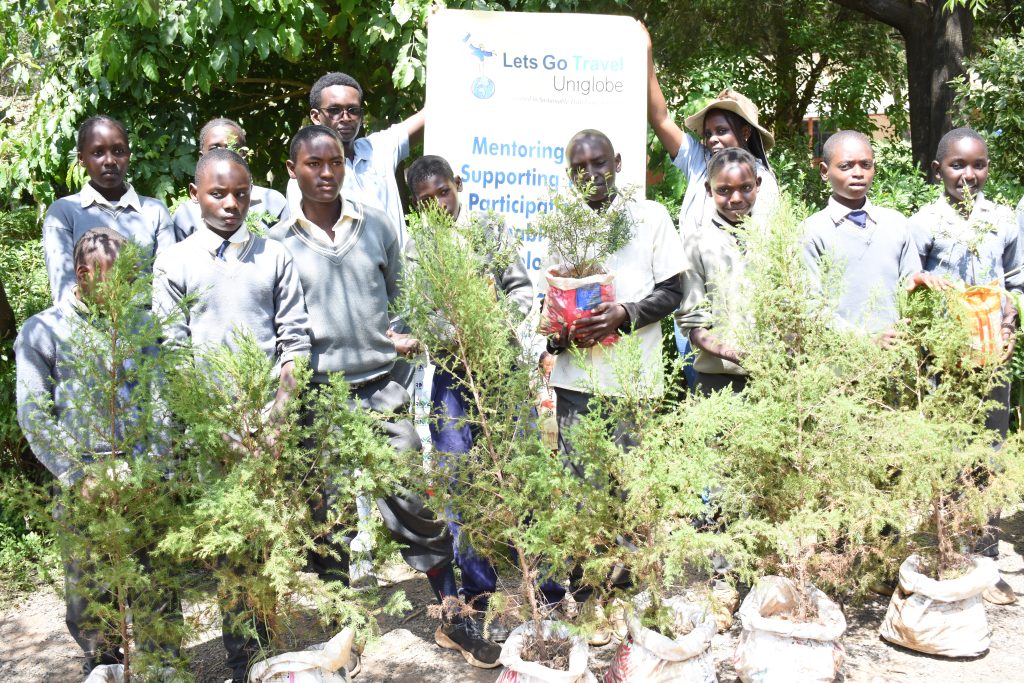
Our Adopt a Tree program restores ecosystems by planting indigenous and fruit trees in partnership with local schools, exceeding our carbon-offset targets and strengthening community food security and resilience. By collaborating with conservation-led organizations and favoring native species, we contribute to a healthy planet for future generations, in direct alignment with SDG 13 (Climate Action) and SDG 15 (Life on Land).
4. Community tourism
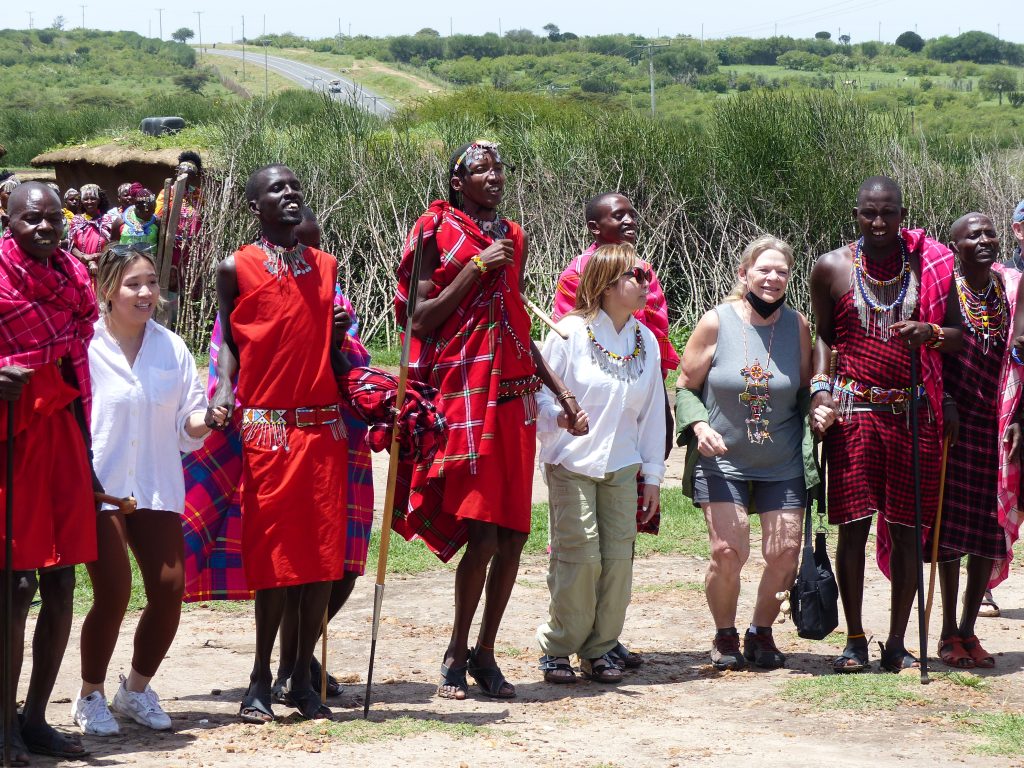
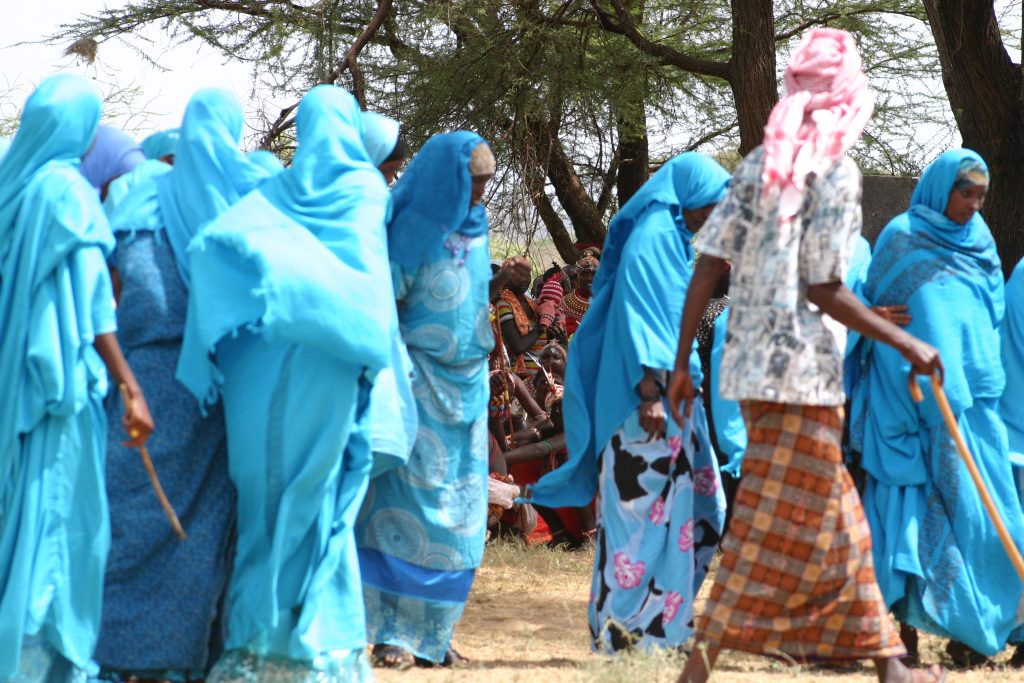
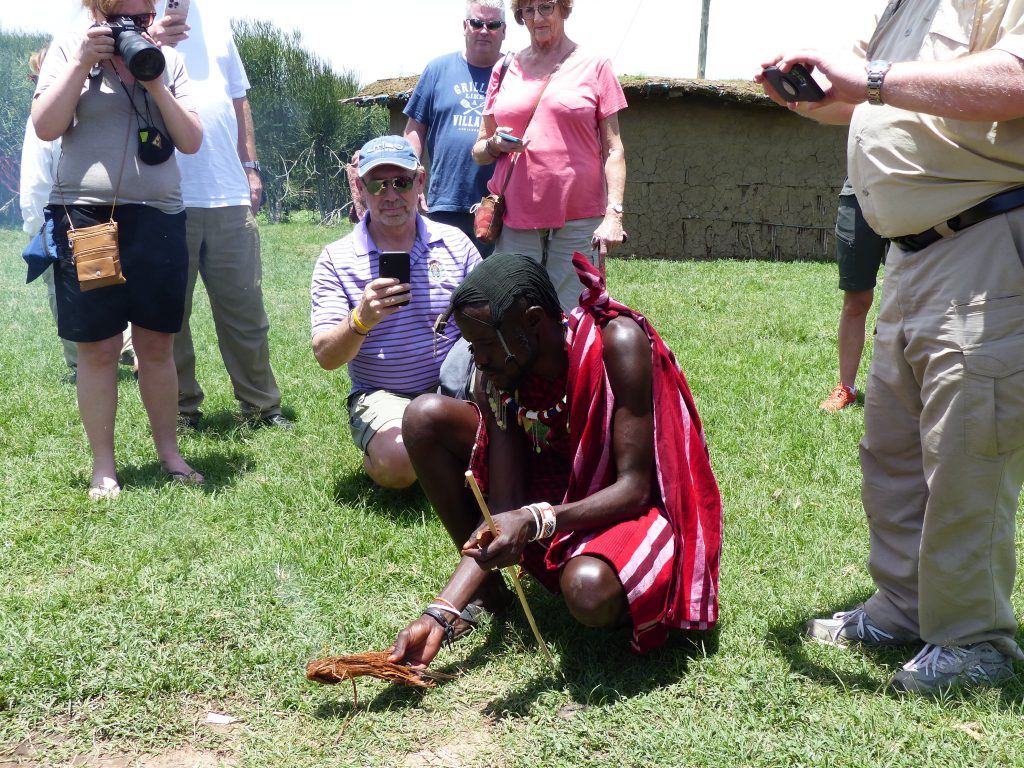
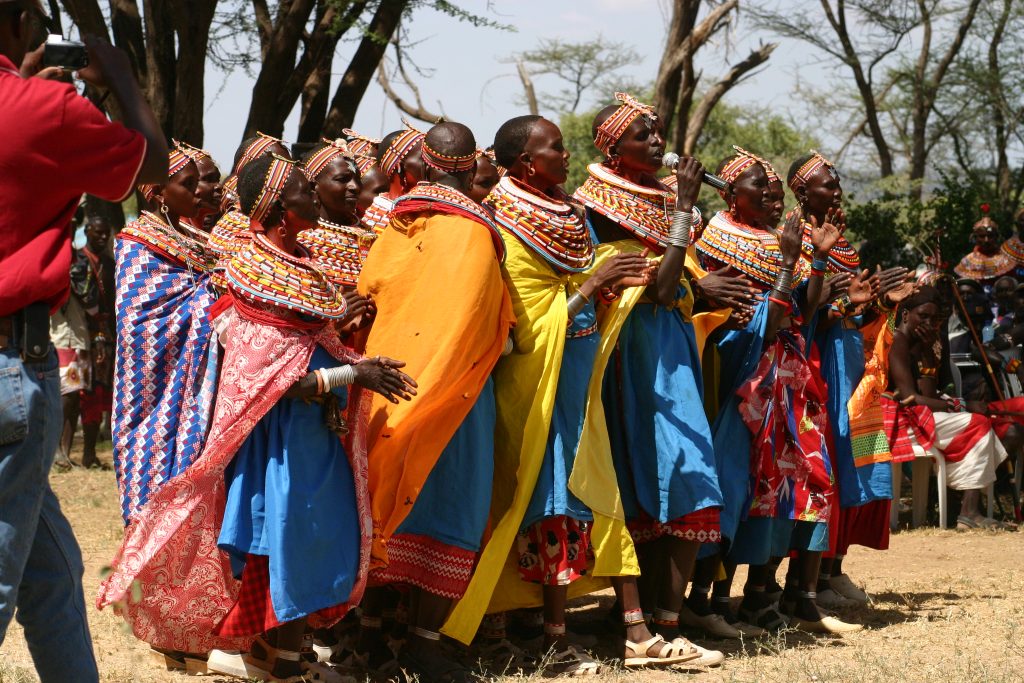
We champion a tourism industry that is inclusive, ethical, and rooted in the well-being of local communities. Through initiatives like our Utalii Bora project, students and travelers assess and advocate for tourism destinations using internationally recognized standards such as the Global Sustainable Tourism Council (GSTC) criteria, measuring how well sites protect socio-cultural identity, manage their environmental impact, and deliver real economic benefit to the people who live there.
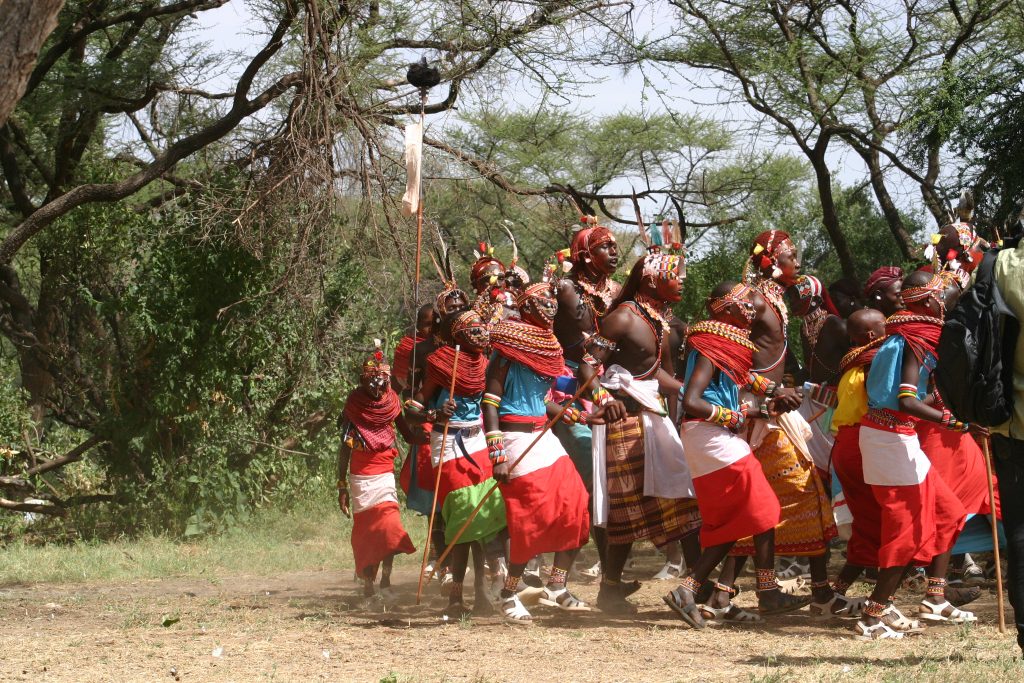
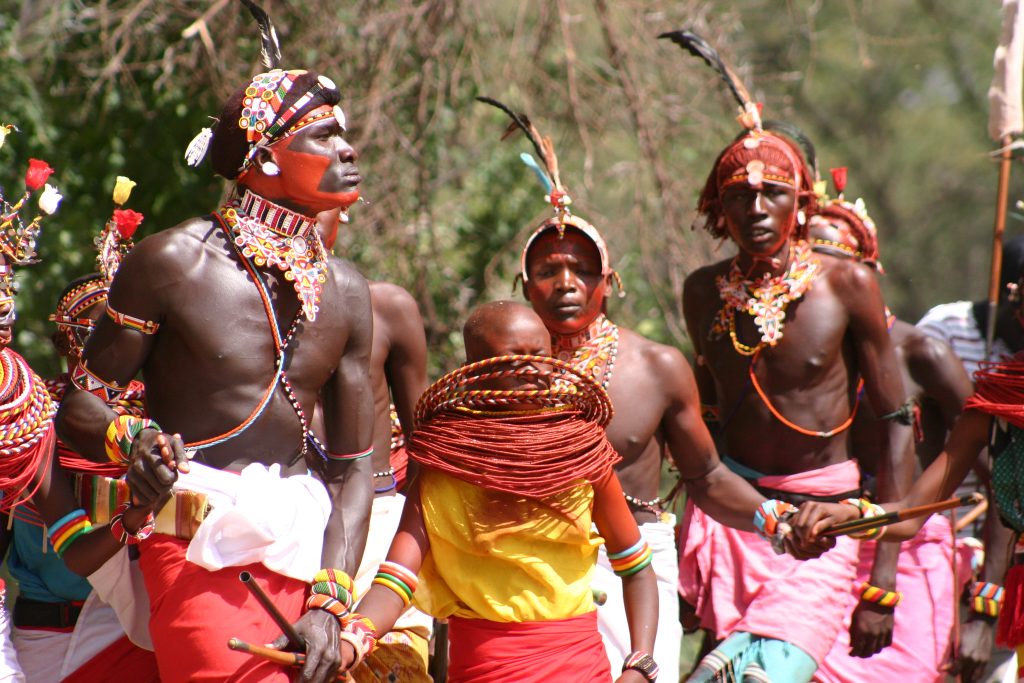
We also actively celebrate and preserve Kenya's living cultural heritage, supporting experiences that generate genuine income for custodial communities while safeguarding their authenticity. By expanding the country's tourism offering beyond the conventional beach-and-safari model, we build a sector that benefits everyone, advancing SDG 8 (Decent Work and Economic Growth), SDG 10 (Reduced Inequalities), and SDG 11 (Sustainable Cities and Communities).


Our sustainability reports
We believe accountability drives real progress, so we measure our impact and publish it openly. These reports trace more than a decade of our journey, quarter by quarter, year by year, and our growing commitment to our people, our communities, and the planet.
Sustainable travel updates

Will flights reach net zero by 2050—and at what cost to passengers?
Jet Zero is a vision where air travel is entirely carbon neutral thanks to new technology and green ventures that offset the environmental impact.

More sustainable aviation is preparing for takeoff.
GE Aerospace and Airbus are collaborating on new technologies for a more sustainable future of flight and a strong European aerospace industry.

Kenya Airways to lead sustainable aviation fuel initiative in Africa
Kenya Airways has been selected as the sole African airline to lead the International Air Transport Association's (IATA) Sustainable Aviation Fuel (SAF) Registry, marking a notable advancement in African aviation.

What is Boeing doing to encourage sustainable aviation fuel production?
Boeing's goal of running production aircraft on 100% SAF by 2030 is a high bar, as no approved path currently exists for pure SAF commercial use.

Airbus advances hydrogen-powered plane research
Airbus has been advocating for the transition to hydrogen-powered aircraft for several years, leading tests and research into the possibly revolutionizing fuel that could hold the answer to carbon-free flying.

Air New Zealand is first major airline to drop 2030 emissions target
Air New Zealand has abandoned its 2030 carbon reduction goal, blaming delays in the supply chain of both new planes and alternative fuels, as well as regulatory challenges.

How will commercial aviation reach net-zero emissions by 2050?
In recent times, the aviation industry adopted the goal of reaching net-zero carbon emissions by 2050.

KLM's CEO believes passengers ought to choose the train whenever possible
The CEO of KLM, Marjan Rintel, is encouraging people to travel by train rather than by plane for short distances and believes the airline sector should stop viewing rail as a competitor.

Climate change: How can we make flying greener?
Biofuels, alternative flight routes, and newer, green aircraft technology can make flying better for the environment. How close are we to introducing these climate-friendly alternatives?


 Connect with us #LetsgotravelKE

Follow us