
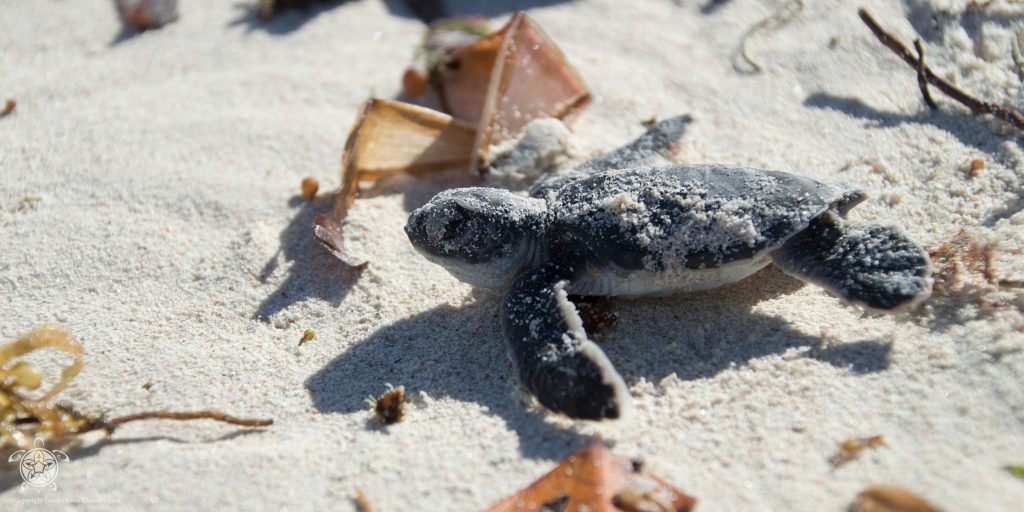
Stretching over 500 kilometers, Kenya’s coastline is a treasure trove of marine biodiversity. Home to coral reefs, mangrove forests, seagrass meadows, and countless marine species, including endangered sea turtles and dolphins. However, these fragile ecosystems face growing threats from climate change, overfishing, plastic pollution, and unsustainable development.
Amid these challenges, communities, conservationists, and grassroots organizations across coastal Kenya are coming together to safeguard marine life and restore critical habitats. Highlighted below are five powerful success stories showing how Kenya’s coast is becoming a model for community-driven marine conservation:
1. Diani Turtle Watch – protecting sea turtles one nest at a time
Nestled along the popular shores of Diani Beach, Diani Turtle Watch is on the frontline of sea turtle conservation. This initiative works closely with beach operators, the host community, and tourists to monitor nesting turtles, protect vulnerable nests, and ensure safe hatching.
When a nest is threatened, whether by tides, predators, or human activity, it is carefully relocated to a safer spot or hatchery. Volunteers, mostly drawn from the local community, monitor and assist with hatchling releases, offering tourists the chance to witness the miracle of new life entering the ocean. Through community engagement and education, Diani Turtle Watch has helped protect hundreds of nests and thousands of hatchlings, creating long-term awareness and stewardship.
2. Reefolution – regenerating coral reefs in Shimoni
In the village of Shimoni, the Dutch-Kenyan initiative Reefolution is literally rebuilding the ocean floor. Using artificial reef structures, coral fragments, and community training, Reefolution is restoring degraded coral reefs and creating new marine habitats for fish and invertebrates.
The project trains local fisherfolk and youth in coral gardening and reef monitoring, turning former resource users into reef guardians. By enhancing biodiversity and fish populations, Reefolution also supports sustainable fishing and eco-tourism. Its innovative blend of science, education, and community engagement is transforming both underwater landscapes and livelihoods.
3. Big Ship CBO – mangrove conservation in Tudor Creek
Operating in Mombasa’s Tudor Creek, Big Ship Community-Based Organization (CBO) is championing mangrove conservation in one of the coast’s most threatened ecosystems. Mangroves are crucial for stabilizing shorelines, storing carbon, and providing nursery grounds for marine life.
Big Ship mobilizes local youth and school groups to plant mangroves, clean beaches, and educate communities about environmental stewardship. Their work has led to the restoration of 200 hectares of mangrove forest, while also providing alternative livelihoods such as beekeeping and eco-tourism. Big Ship shows how grassroots action and youth leadership can have a lasting ecological impact.
4. Kuruwitu Conservancy – A community’s commitment to the ocean
In Kilifi County, Kuruwitu became Kenya’s first Locally Managed Marine Area (LMMA) in 2003, when declining fish stocks led the community to ban fishing in a 30-hectare reef zone. The results were dramatic: within a few years, fish biomass increased, coral cover improved, and biodiversity returned.
Today, Kuruwitu Conservancy supports sustainable tourism, environmental education, and reef restoration. The community earns income through guided snorkeling tours, marine research partnerships, and conservation jobs. Kuruwitu has inspired similar community-led initiatives across East Africa and continues to be a flagship model of locally driven marine management.
5. Watamu Marine National Park – decades of marine protection
One of the oldest marine parks in Africa, Watamu Marine National Park is a biodiversity hotspot known for its coral gardens, seagrass beds, and turtle nesting beaches. Managed by the Kenya Wildlife Service (KWS) and supported by groups like Local Ocean Conservation (LOC), the park has achieved remarkable success in sea turtle rehabilitation, reef conservation, and eco-tourism.
Strict no-take zones and long-term monitoring have allowed marine life to flourish, attracting both researchers and responsible tourists. Watamu’s integrated approach, blending science, community outreach, and protected areas, proves that with commitment and collaboration, ocean recovery is possible.
Call to action
These five case studies, diverse in method but united in mission, demonstrate that marine conservation in Kenya is thriving because of community action, innovation, and resilience. From sea turtle protection and coral regeneration to mangrove restoration and sustainable tourism, coastal Kenyans are proving that protecting the ocean benefits both people and planet. Join these organizations in creating meaningful impact that preserves and conserves our marine biodiversity. Every little effort matters – from leaving our beaches clean and plastic-free to actively engaging in restoration activities, the goal is to achieve a healthy marine ecosystem for all.
Let’s Go Travel can craft your perfect marine safari.
At Let’s Go Travel Uniglobe, we know the ocean is more than a destination; it’s a living treasure. Our expert advisors design customized coastal itineraries that immerse you in Kenya’s marine success stories, from turtle hatchlings in Diani to coral gardens in Shimoni and mangrove forests in Mombasa. We handle the details so you can experience conservation in action while enjoying the beauty of Kenya’s coast.
Call +254 722 331 899 or email info@letsgosafari.com.